Hidden Costs of Homeownership in Northeast Florida (What Buyers Should Know)

Buying a home in Northeast Florida? A local Realtor explains the hidden costs buyers often overlook, from insurance and property taxes to maintenance and HOA requirements.
Buying a home in Northeast Florida can be one of the best financial moves a family makes.
But after helping hundreds of families relocate and buy homes across Clay County, Fleming Island, Jacksonville, and St. Augustine, I’ve learned that the purchase price is only part of the story.
The real surprises tend to show up after closing.
A Bankrate analysis found Florida homeowners spend around $24,700 annually on maintenance, taxes, insurance, and other ongoing ownership costs — significantly higher than the national average.
Some of these costs are unique to Florida’s climate, insurance market, and housing structure. Others are simply things first-time buyers don’t know to plan for.
If you’re considering buying a home in Northeast Florida, here are some of the most common hidden costs I see catch buyers off guard.
1. Homeowners Insurance Increases (If You Don’t Shop Every Year)
Florida’s insurance market changes constantly.
Many homeowners assume their insurance premium stays fairly stable year to year. Unfortunately, that’s often not the case here.
If you don’t shop your homeowners insurance annually, you may be overpaying thousands over time.
Insurance companies regularly:
adjust risk models
leave the Florida market
increase premiums dramatically
I always recommend that homeowners set a calendar reminder once per year to shop insurance quotes.
This one habit alone can save a surprising amount of money over the life of owning a home.
2. Property Taxes Can Jump If You Don’t File Homestead
This one is extremely common.
Florida offers a Homestead Exemption that:
• reduces taxable value by at least $50,000
• limits tax increases to 3% per year
• protects part of your home equity from certain legal judgments
But here’s the catch.
You must apply for homestead, and many new homeowners forget.
I’ll share a personal story.
When I bought my first home, I hadn’t yet started my real estate career. I vaguely remember my Realtor mentioning homestead, but ADHD being what it is, I didn’t file.
My property taxes jumped far more than they needed to.
Because of that experience, I now follow up every year with past clients who purchased the previous year to remind them to file before the deadline.
It’s one of the simplest ways to protect your long-term housing costs.
3. Roof Replacement Timelines in Florida
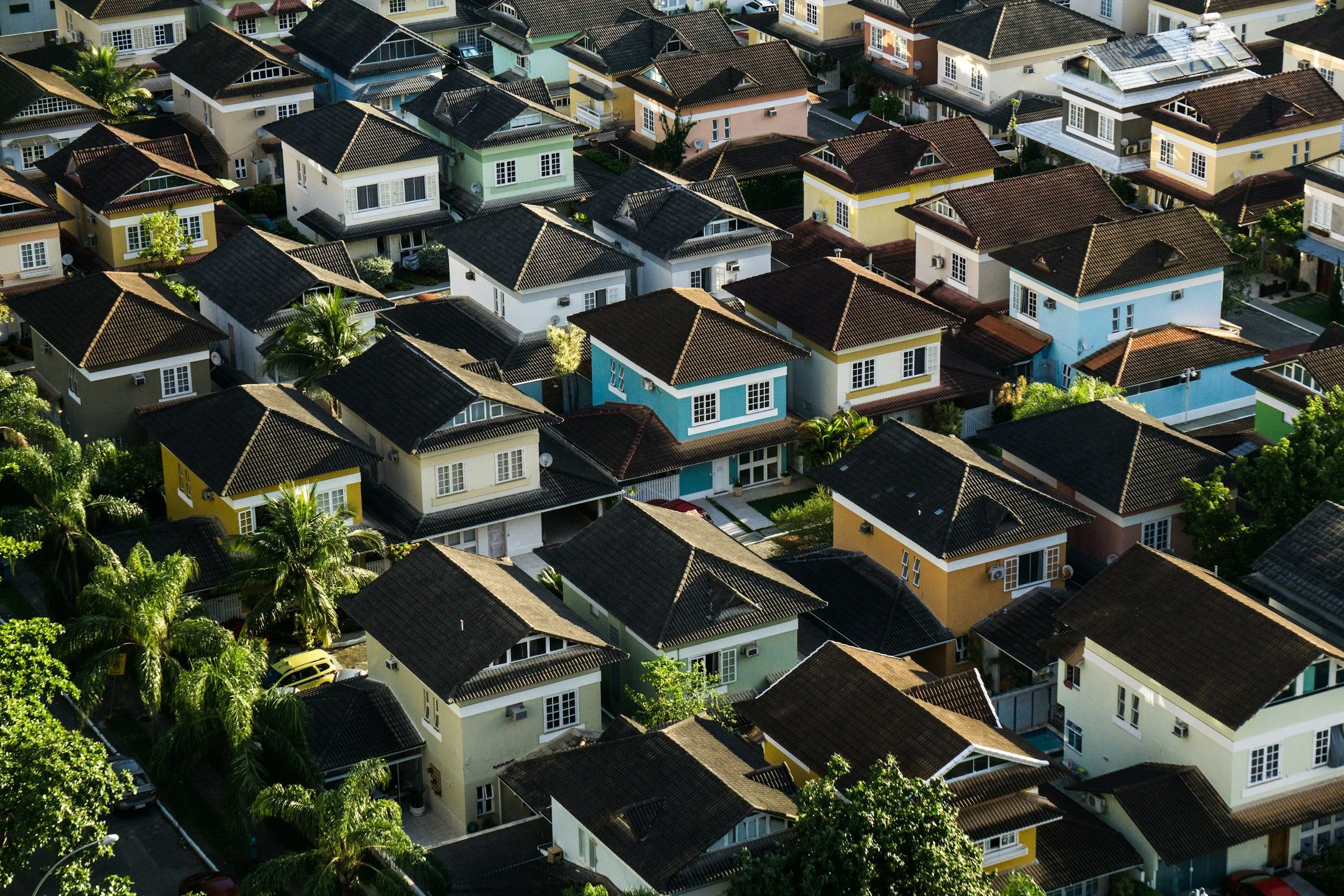
Roofs behave differently in Florida than in many other states.
Between heat, humidity, and storms, asphalt shingle roofs often have a practical insurance life of about 15–20 years.
Many insurance carriers will:
raise premiums significantly after 15 years
refuse to insure roofs older than 20 years
require replacement before issuing a policy
That means buyers should plan ahead for this cost rather than waiting until a roof fails.
A proactive roof replacement can often prevent insurance headaches and water intrusion issues later.
4. Maintenance Costs Add Up Faster in Florida’s Climate
Florida’s humidity is tough on homes.
Moisture, heat, and storms mean that exterior materials wear faster than buyers from other regions expect.
Common examples include:
wood rot on trim and siding
fence deterioration
mildew buildup
caulking and sealant breakdown
exterior paint wear
One inspection story stands out.
A seller had allowed English ivy to grow across the stucco exterior of the home. It looked beautiful from the outside.
But during the buyer’s inspection, it was discovered that the ivy had grown into the stucco itself, trapping moisture and hiding serious water intrusion.
What looked like landscaping ended up being a very expensive repair.
That’s why routine exterior inspections matter.
5. HOA Maintenance Requirements
Many Northeast Florida neighborhoods have HOAs or CDD communities, which can be wonderful for maintaining neighborhood standards.
But they also come with responsibilities.
One surprise I’ve seen homeowners encounter is lawn maintenance enforcement.
If a yard falls below HOA standards, homeowners may receive violation notices. In extreme cases, associations can require homeowners to re-sod the entire lawn.
Between Florida’s heat and heavy rain, turf can deteriorate quickly without proper care.
Routine lawn care and irrigation maintenance help avoid these issues.
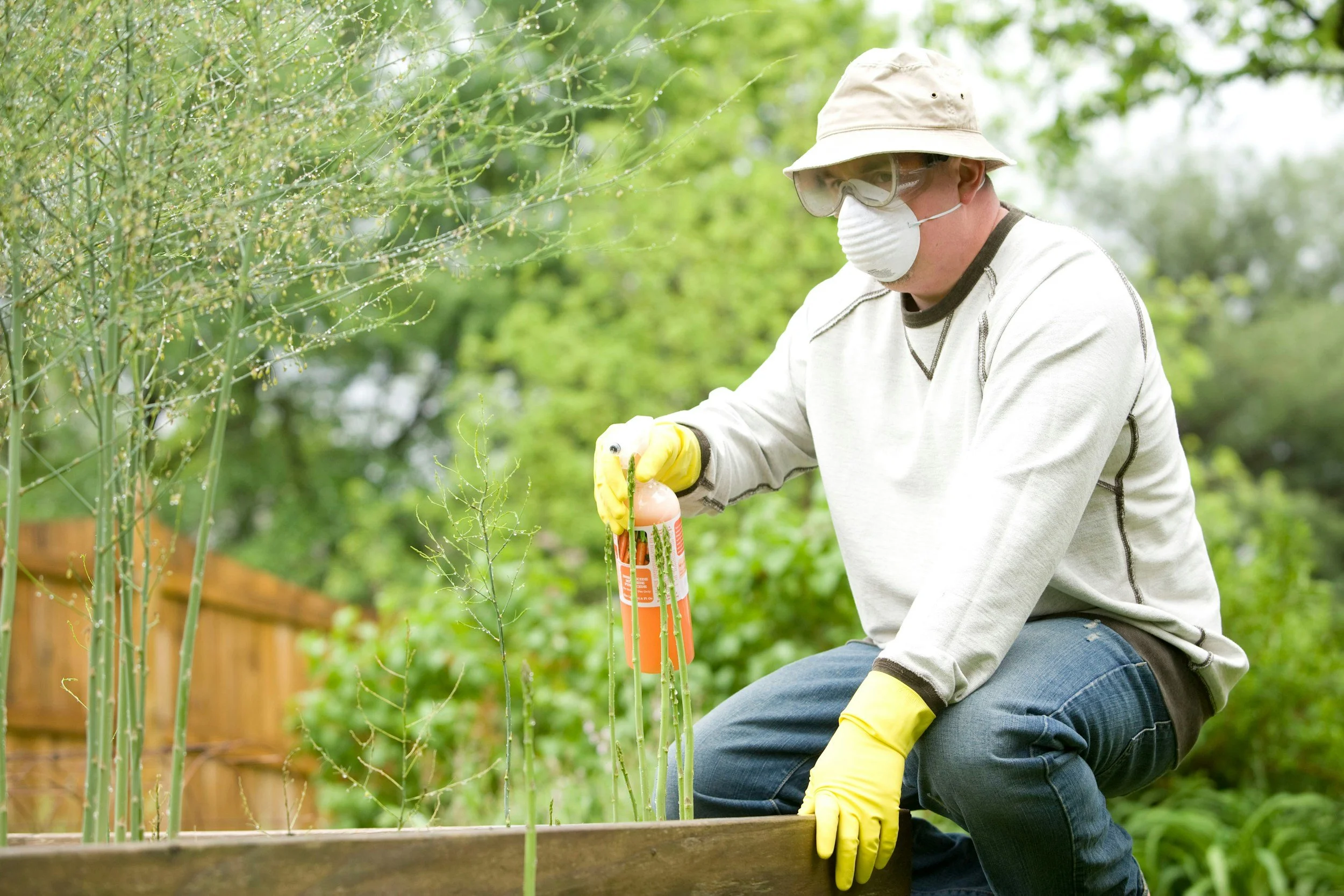
6. Pest Control Is Practically Mandatory
Florida is beautiful.
But it’s also a subtropical ecosystem.
That means homeowners should expect ongoing pest management for:
termites
ants
palmetto bugs
mosquitoes
Many homeowners maintain termite bonds and quarterly pest service as part of routine homeownership costs.
It’s simply part of living in a warm coastal climate.
7. Higher HVAC Usage
Air conditioning works hard in Florida.
Systems run most of the year, which means:
higher electricity bills
more frequent HVAC maintenance
earlier replacement timelines
Annual servicing helps extend system life and avoid unexpected breakdowns during peak summer months.
How Buyers Can Plan Ahead for These Costs
When I work with buyers, I encourage a few habits that make homeownership much easier long-term.
1. Budget 1% of the home value annually for maintenance
A simple rule of thumb that helps prevent surprises.
2. Don’t buy at the absolute top of your budget
Leaving breathing room allows homeowners to handle repairs without stress.
3. Set reminders to shop insurance annually
Insurance markets change quickly in Florida.
4. Trim trees away from roofs
Overhanging limbs increase storm risk and moisture exposure.
5. Schedule an annual home inspection
A yearly inspection can catch issues early, before they become expensive problems.
6. Pay attention to loan-to-value ratios
Once you reach 80% loan-to-value, homeowners may be able to eliminate PMI depending on the loan type.
The Bottom Line
Homeownership in Northeast Florida is still one of the most powerful ways to build long-term wealth.
But like any investment, it requires planning and proactive maintenance.
Understanding the real costs ahead of time allows buyers to enjoy their home without being blindsided later.
If you're thinking about moving to the area, you may also find these guides helpful:
• Do I Need Flood Insurance If I Move to Florida?
• Why Waiting for “Perfect Timing” Might Cost You
• What Buyers and Sellers Need to Know About the Northeast Florida Market Right Now
Each of these covers another piece of the puzzle for buying property in Northeast Florida.
Work With Local Experts
Brooke Hewitt and Tammy Baranowski are sisters, neighbors, and full-time Realtors serving Northeast Florida.
Over the past five years, we’ve helped hundreds of families buy, sell, and relocate, closing over $100 million in real estate.
If you’re considering buying in Clay County, Fleming Island, Jacksonville, or the surrounding areas, we’d be happy to help you plan for the entire picture of homeownership.
Because the goal isn’t just getting the keys.
It’s making sure your home continues to work for you for years to come.